

My journey to Xinjiang began with a swirl of emotions—curiosity about the region, its vibrant capital Urumqi, the diverse communities, and the pulse of local life. After a three-and-a-half-hour layover at Guangzhou Baiyun International Airport, our team finally touched down at Urumqi Diwopu International Airport in the afternoon of May 21.
As I stepped off the plane, the sight of snow-capped mountains looming near the runway took my breath away. For a moment, I was transported back to the rugged airstrips of Nepal—Jomsom and Simkot—where every flight feels like a daring dance with the Himalayas. Here in Urumqi, just like in those remote Nepalese airports, the mountains stood as silent sentinels, their peaks glistening under the sun, their crisp breeze whispering welcomes. It was as if the Tibetan Plateau’s grandeur had stretched its arms eastward to greet me anew.
From above the 24,000 feet, I could see the oasis and the huge artificial water collection centres, a local adaptation measure amid water crisis in the desert area. Later after talking to the officials and the locals, it was learnt that the water supply is far better in Xinjiang region compared to the past and several measures are applied to ensure a smooth water supply channel. With rapid economic growth in recent decades, increasing consumption of water is exceeding supply and the government is working to improve water resources management. Various measures have been adopted in the recent years to save water and that include rehabilitation of canals delivering water from reservoirs to water users downstream, a switch from furrow to drip irrigation, land leveling, and improved drainage. Monitoring of water consumption has helped farmers plan their irrigation properly; improving the quality of fruits they grow and increase their income.
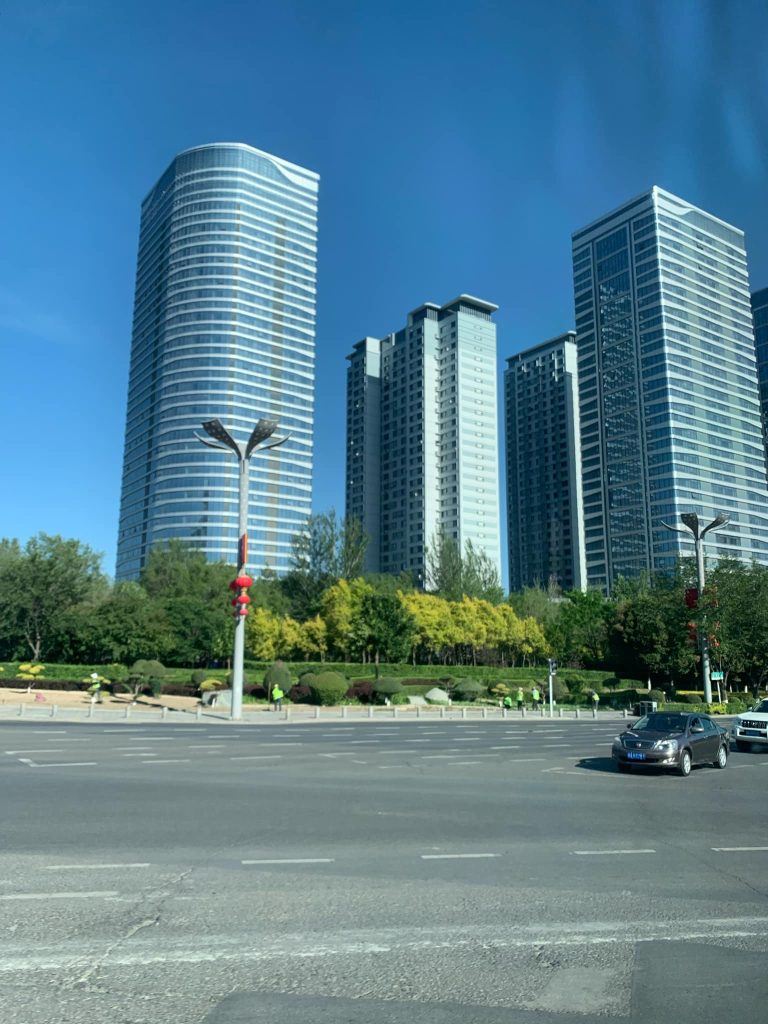
The vibrant city of Urumqi, which owns the high-rise buildings is not only a major point of the ancient Silk Road but it a symbol of modern China connecting the vast number of people beyond the region. The public transportation service, employment and entrepreneurship, education, the market and business all are truly amazing there.
Such a high-class transportation service, warm hospitality, massive greenery campaigns amid harsh geography, the Northwest China’s Xinjiang Uygur Autonomous Region has seen a record 300 million visits in 2024. The 300 million number is nearly 40 per cent of the total population of Europe. The region’s tourism revenue stood at 49.4 billion U.S. dollar. The flow of tourists there in Xinjiang is because it boasts breathtaking landscapes, from towering peaks and deep gorges to expansive deserts and tranquil lakes. Improved transportation, including enhanced domestic and international flight routes and rural road projects, is set to further boost the region’s tourism growth.
After the visit to Xinjiang, Pakistani journalist Muhammad Zamir Assadi, shared that he saw hope rising in the form of a “diplomatic dawn” led by China which is collectively shared by the countries in the region, from South Asia to Central Asia. “The winds of change are blowing and they carry with them the promise of connectivity, peace and shared prosperity,” he echoed. He praises the vocational training in Xinjiang, agricultural demonstration zones or clean energy through wind farms and terms the projects being practical and impactful.
The China-Europe Railway Express which passes through Xinjiang links the region with global markets, making it a critical trade artery. Gwadar Port at the southern tip of CPEC is emerging as a maritime gateway for Central Asia and Western China.
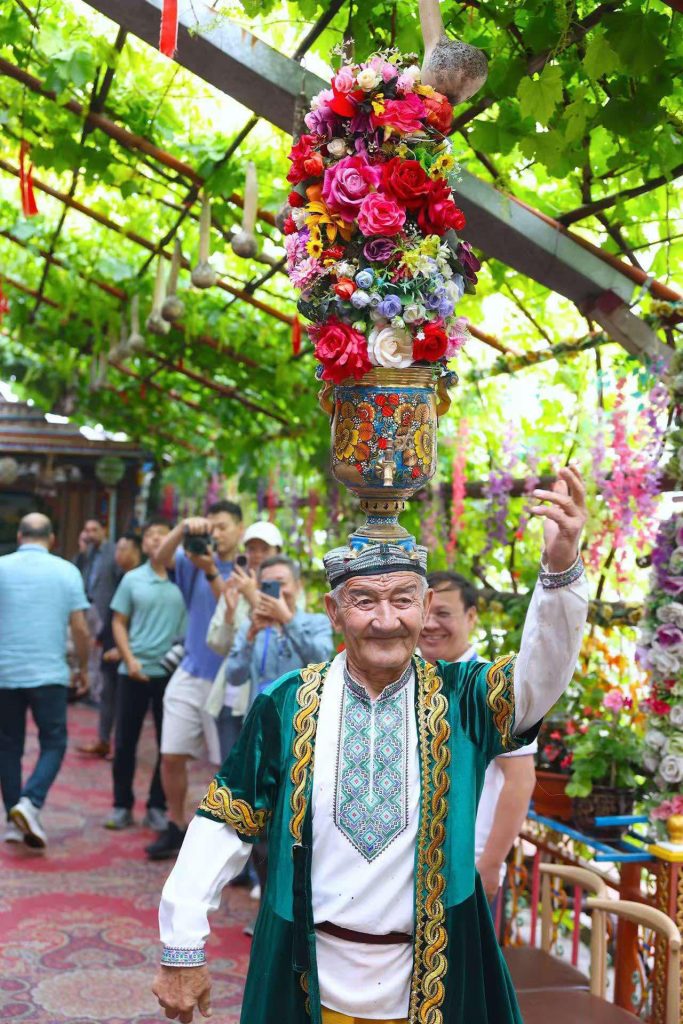
Likewise, Santosh Poudel, a journalist from Nepal, said Xinjiang’s inclusiveness, warm hospitality and cultural preservation, the respect to the history and tradition, green conservation drives and the market vitality have led the nation’s glory upwards.
So, the largest region of China, which shares its borders with eight countries in the South Asia and Central Asia carries immense potential in terms of trade, business, people to people connectivity and most importantly in tourism. Given its rich infrastructure in the recent years, the trade between South Asian and Central Asian via Xinjiang could benefit almost 2 billion peoples from the three regions, South Asia, Central Asia and China.
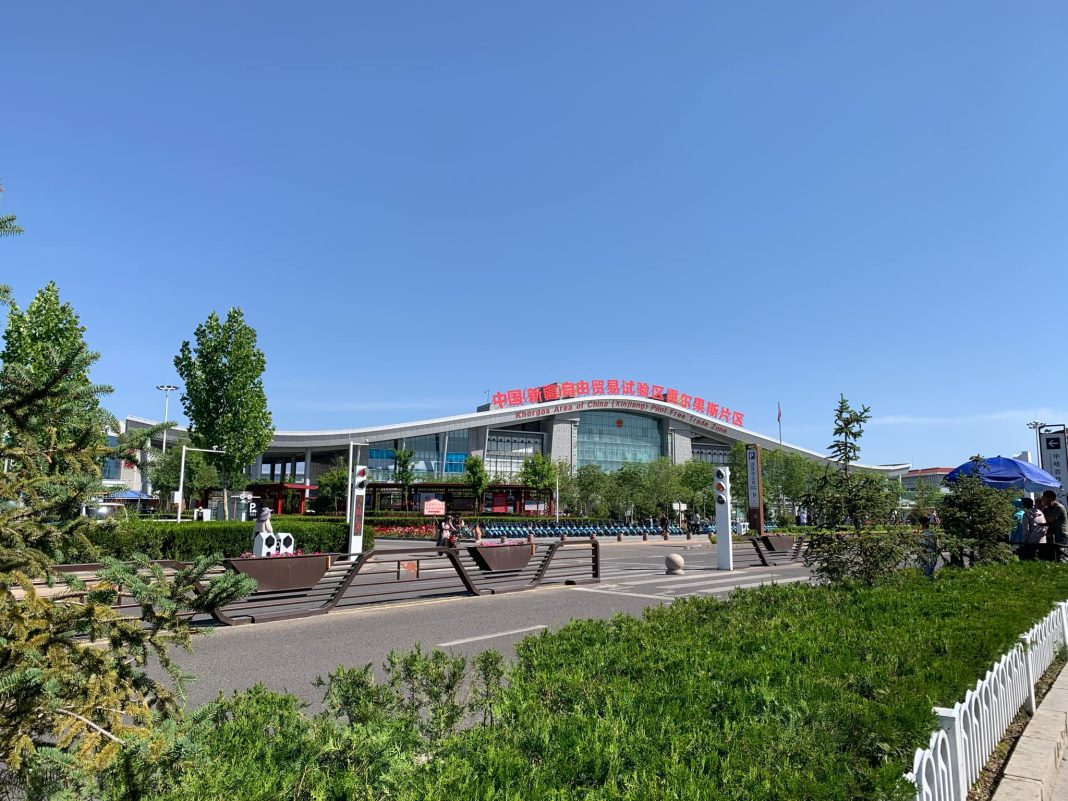
In terms of BRI, Xinjiang is a major zone for integration, connectivity, trade and business. The five major projects Railway to London from China goes through the Xinjiang, Gwadar Port also is there setting a best model for BRI cooperation, while railway to Iran goes from the western region of China to the Khorgos Gateway by crossing into Kazakhstan along the former Soviet train network.
As the train route continues west from Almaty, the town of Tode Bi marks the point where one railway forks off to London while the other line carries on towards Tehran, a report in SCMP states. Also, the Central Asian gas pipeline is a major project that goes through the Xinjiang Region. The Khorgos Gateway connecting Kazakhstan and China by rail is also one of the world’s biggest dry ports.
So, we should speak without any prejudices. Keeping prejudices to inform the peoples will be a historical blunder. In this regard, people from across the world should learn that Xinjiang has done wonderful, even better than other provinces of China. The people there have got complete freedom to follow their traditions, religion and whatever they prefer and they have been given full economic rights for progress and prosperity. And, Xinjiang is equally welcoming to the foreign talents. It has received a large number of expats in different sectors including in education, trade, business, IT, startups and others too. With this visit, I came to a conclusion that why the West is anxious about the West part of China.
-Editor